
BACKFLOW DEVICE MAINTENANCE Throughout Hawaii
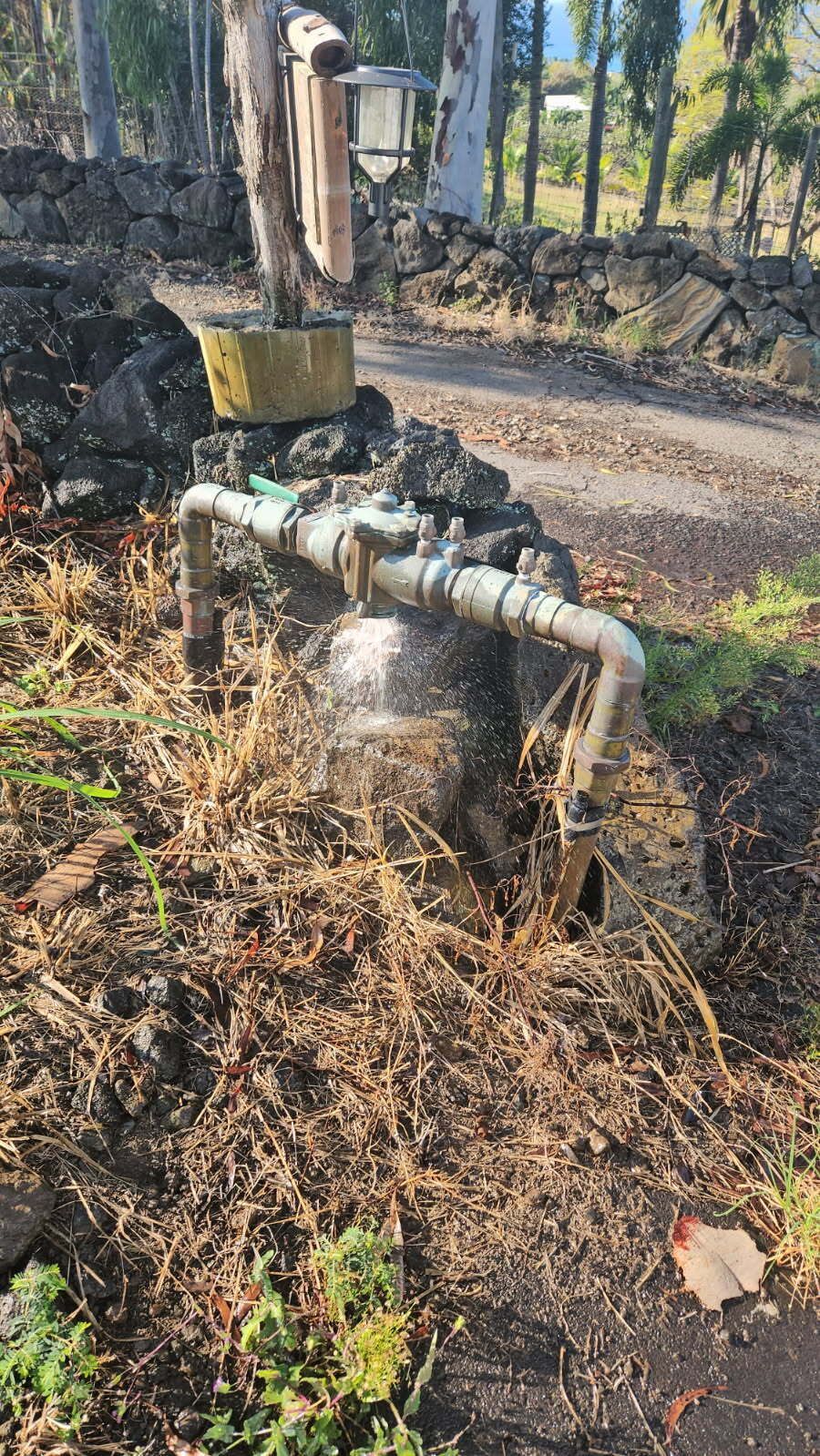
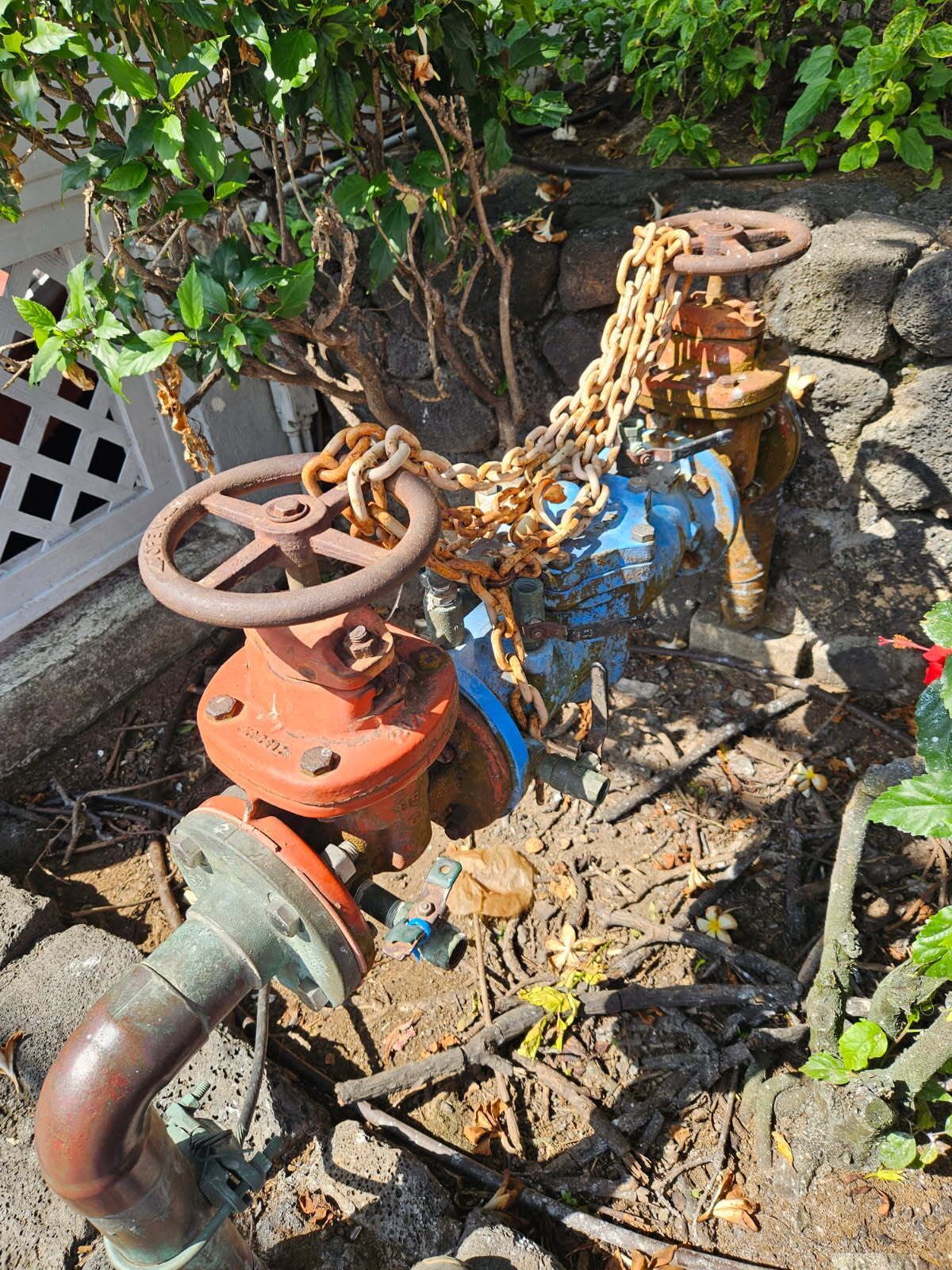
Keep Your Backflow Device Ready Year After Year
Internal springs and rubber components inside a backflow assembly wear continuously and invisibly, whether the device sees heavy daily use or barely any at all. Backflow Testing Hawaii LLC
provides scheduled maintenance for reduced pressure assemblies, double check valve assemblies, and pressure vacuum breakers, serving properties all across Hawaii, including Kailua-Kona, Honolulu, Lihue, Kahului, Lahaina, Kihei, and communities throughout Kauai, Maui, and the Big Island. We clean and flush the internal parts, check every component against specification, and catch deterioration while it is still a small item rather than a failed annual test and a looming compliance deadline.
Coastal air, hard water, and irrigation grit are all working against your device between visits, and almost none of that damage shows on the outside. Our maintenance visits document the condition of every part, exercise the shut-off valves, and flag components approaching the end of their service life. With 6 years of working on island assemblies, we know what fails here and roughly when to expect it. Set up a maintenance schedule with us through our contact page.
Explore Our Backflow Device Maintenance Services
Scheduled Maintenance Inspections
Regular visits establish a baseline and reveal how quickly a particular device is wearing. Condition notes on seats, springs, fasteners, and enclosures build a history that turns replacement planning into a budgeting decision rather than an emergency expense.
Internal Cleaning and Flushing
Sediment, scale, and biofilm settle onto seating surfaces where they hold checks slightly open. Careful disassembly and flushing clears those deposits, restoring the tight closure that gauge readings depend on and removing a common cause of nuisance discharge.
Component Testing and Calibration
Poppets, springs, diaphragms, and gauges all drift from their intended behavior over time. Verifying each part against manufacturer specification confirms the assembly still opens and closes at the correct pressures instead of merely appearing intact from the outside.
Corrosion and Leak Checks
Salt-laden air attacks bolts, bonnets, and unions long before anything internal gives way. Inspecting fasteners, unions, and body surfaces catches weeping joints and advancing corrosion early enough that treatment or a single replacement part still solves the problem.
Test Date Tracking and Reminders
Missed deadlines cause far more compliance trouble than mechanical failure ever does. Keeping your anniversary dates on file means a reminder reaches you well ahead of the official notice, leaving room to schedule around tenants, harvests, or business hours.
Preventive Parts Replacement
Waiting for a component to fail guarantees the failure happens at the worst moment. Swapping aging rubber and tired springs on a planned schedule keeps performance steady and turns an unpredictable repair into a routine, budgeted maintenance task.
Why Choose Us for Backflow Device Maintenance
Problems Found Before Test Day
A failed annual test creates deadlines, retests, and paperwork nobody wants. Spotting a weak spring or scored seat during a maintenance visit lets the fix happen calmly, on your timing, without a compliance clock running in the background.
More Service Life From What You Own
Assemblies are expensive to replace and remarkably durable when looked after properly. Routine cleaning and timely internal swaps stretch usable life by years, which spreads the cost of ownership across a much longer period than neglect ever allows.
A Schedule You Do Not Have to Track
Remembering a once-yearly obligation among everything else a property demands is surprisingly difficult. Having those dates carried for you removes both the mental load and the real risk of a lapse discovered only when the correspondence turns serious.
Fewer Unexpected Repair Bills
Emergency work almost always costs more than planned work does. Steady upkeep converts unpredictable failures into scheduled visits, which makes budgeting realistic for homeowners, associations, and commercial operators alike and removes most of the financial surprise from ownership.
Real Protection Against Coastal Corrosion
Salt air is relentless on exposed hardware anywhere near the shoreline. Attention to fasteners, unions, and protective coverings slows that damage considerably, keeping an assembly serviceable in conditions that quietly destroy neglected equipment within a handful of years.
Records That Stay Current
Condition notes, service dates, and past readings all matter when a property changes hands or an agency starts asking questions. Organized documentation answers them immediately, instead of sending you searching through several years of loose paperwork in a filing drawer.
Steady Upkeep Beats an Annual Surprise
An assembly rarely announces its decline. It works, and works, and then a tester puts gauges on it and the readings say otherwise, usually with a compliance deadline attached. Regular maintenance replaces that pattern with something calmer, where wear gets caught early, parts get swapped on a schedule that suits you, and test day becomes a formality instead of a gamble. Backflow Testing Hawaii LLC keeps devices across Hawaii, in exactly that condition, tracking your service history and reaching out well before the dates come due. Start a maintenance schedule with us through our contact page whenever you are ready.
Frequently Asked Questions
What does backflow preventer maintenance include?
Maintenance covers inspection of the body and fittings, cleaning and flushing of the internal components, verification that checks and relief mechanisms operate correctly, exercising the shut-off valves, and replacing worn rubber or springs before they cause a failure.
How often should a backflow device be serviced?
Service once a year alongside the required test suits most assemblies. Backflow Testing Hawaii LLC recommends an additional midyear look for devices on irrigation lines or exposed to salt air around Kailua-Kona, HI, particularly once a unit passes 10 years of age.
Can sediment and debris be flushed out of an assembly?
Yes, and doing so resolves a large share of nuisance discharge problems. The internals come apart, seating surfaces get cleaned by hand, and accumulated grit is flushed clear so the checks can seat completely against reverse flow again.
Should the shut-off valves on an assembly be exercised?
Definitely. Valves left untouched for years tend to seize in place, which complicates testing, blocks repairs, and removes your ability to stop flow quickly. Operating them during every maintenance visit keeps them moving and reveals packing leaks early.
Does an enclosure or cover help protect the device?
Approved enclosures shield the hardware from sun, salt spray, impact, and tampering, all of which shorten service life outdoors considerably. They must still allow full access to the test cocks and clear, unobstructed drainage below any relief port.
What are early warning signs a device needs attention?
Intermittent dripping from the relief port, visible corrosion on the fasteners, stiff or leaking shut-off valves, and a noticeable pressure drop across the assembly all suggest internal wear that is worth investigating well before the next scheduled test.
Can maintenance help a device pass its next annual test?
Considerably. Most failures stem from debris and worn rubber, both addressed directly by routine service. Backflow Testing Hawaii LLC finds, after 6 years on island assemblies, that maintained devices around Kailua-Kona, HI, pass far more consistently than those left untouched between tests.
Does salt air affect backflow assemblies near the ocean?
Strongly. Airborne salt corrodes bolts, bonnets, springs, and unions, weakening the hardware from the outside while internal components age normally. Coastal installations here need closer inspection intervals and protective measures that inland assemblies can generally do without entirely.
What our customers have to say...
Testimonials